Virtual Puppy TrainingPuppy Preschool
Puppies under 6 months
Puppy Preschool sets your new best friend up for a lifetime of good habits. Through private virtual sessions, our teacher-trainers guide you through the earliest (and most important) months — from potty and crate training to socialization and obedience basics — with a plan customized to your puppy, your home and your schedule.
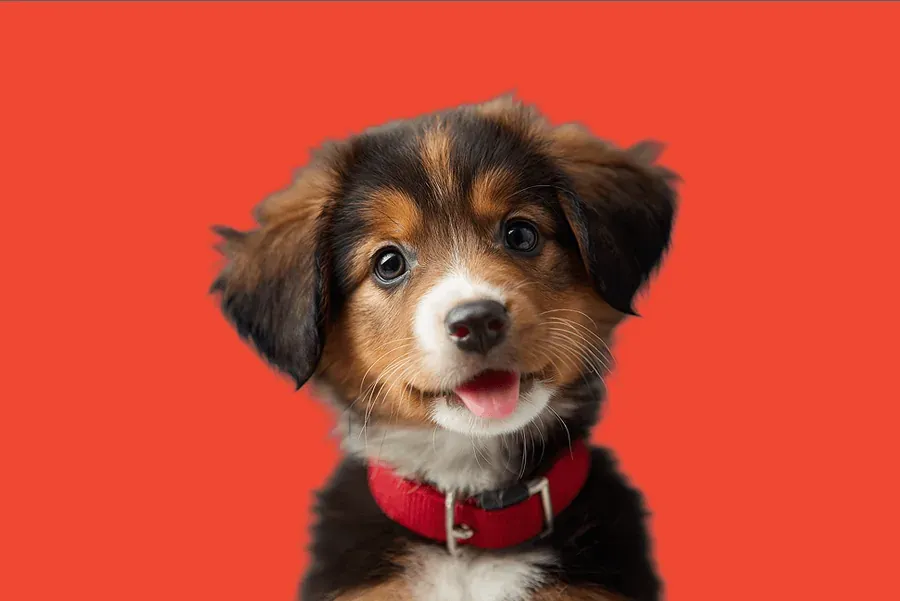
Is this your dog?
- A new puppy is coming home soon (or just arrived) and you want to start right
- Your puppy is under 6 months old
- You're a first-time dog owner who wants a teacher in your corner
- You'd rather prevent bad habits now than fix them later
- House training, nipping or crate crying is already testing your patience
Sound familiar? You’re in the right classroom.
What’s Included
- Private 1:1 virtual sessions with a teacher-trainer
- Potty training and crate training guidance
- Age-appropriate socialization guidance
- Obedience basics for young puppies
- Your own puppy handbook to keep
Tuition
Schedule a free consultation for a custom plan and quote tailored to your puppy.
The Curriculum
What you’ll actually learn
Potty training that actually sticks
A realistic schedule built around your home and routine, with guidance through the accidents (there will be accidents — that's fine).
Crate training without the crying
We turn the crate into your puppy's favorite room using the same step-by-step approach from our crate training lesson plan.
Name response & attention
The foundation of everything: a puppy who looks at you when the world gets interesting.
Obedience basics
Sit, down, come and polite manners — taught as games your puppy wants to play.
Socialization done right
Careful, positive exposure to sounds, surfaces, handling and new experiences during the critical window — quality over quantity.
Bite inhibition & chewing
Where to aim those needle teeth (hint: not your ankles), and how to survive teething with your shoes intact.
The Lesson Plan
How Puppy Preschool works
- 1
Free mini session
Meet your teacher over video, tell us about your puppy and pick up foundational training tips together.
- 2
Your custom lesson plan
We build a plan around your puppy's age, breed, temperament and your family's routine — then quote it clearly.
- 3
Private 1:1 lessons + homework
Live virtual sessions where you do the training with your teacher guiding you. Between sessions: short, achievable homework.
- 4
Graduate to Pet Dog Prep
When your pup outgrows preschool, the next curriculum is ready — and your trainer already knows your dog.
Required Reading
Why the first six months matter more than any other
Between roughly 3 and 14 weeks of age, puppies move through what behavior scientists call the critical socialization period — a once-in-a-lifetime window when their brains are wired to accept new experiences as normal. Sounds, surfaces, strangers, handling, other animals: whatever a puppy learns is safe during this window tends to stay safe for life. Whatever they miss can become suspicious later.
That's why waiting until a puppy is "old enough for training" is the most expensive mistake in dog ownership. By six months, the window has closed. The habits your puppy practiced — good and bad — have already put down roots. Puppy Preschool exists to make sure the right things get practiced while it still counts double.
And because our sessions are virtual, there's no waiting for a full vaccine series before class can start. Traditional puppy classes can't safely enroll a puppy until their shots are complete, which burns weeks of that irreplaceable window. Your puppy trains at home from day one, and we guide you through safe socialization outings that respect your vet's vaccination guidance.
What a virtual puppy session actually looks like
A lot of people can't picture dog training over video until they've done it — then they wonder why anyone drives to a facility. Here's the shape of a typical Puppy Preschool session:
Check-in and homework review (5–10 minutes)
How did potty training go this week? Any crate wins? Your teacher reads your training log, troubleshoots what stalled and celebrates what worked.
New skill instruction (10–15 minutes)
Your teacher demonstrates the week's skill, breaks it into steps, then watches you practice it with your puppy — guiding your timing, your treat delivery, your leash handling — live.
Real-environment problem solving (10–15 minutes)
Puppy bites during play? Show us, right there on your living room floor. Because we see your actual home, our advice fits your actual life — not a sterile training room.
Homework assignment (5 minutes)
Short, specific daily practice — usually five to ten minutes a day. We're teachers: homework is how learning becomes habit.
Your puppy's first-year roadmap
Every puppy develops on their own schedule, but the milestones are predictable enough to plan around — and your custom lesson plan follows them:
8–12 weeks: Foundations
Potty routine, crate comfort, name response, gentle handling, first socialization exposures. The goal is a puppy who feels safe and a family with a system.
3–4 months: Skills emerge
Sit, down, come and leash introduction — taught as games. Teething begins; chewing management becomes a lesson topic, not a crisis.
4–6 months: Consistency
Skills get practiced around distractions. Alone-time training prevents separation issues. Adolescence is coming — we prepare you for it honestly.
6+ months: Graduation
Your puppy exits preschool with a foundation most adult dogs never get, and Pet Dog Prep is ready when you are.
Virtual vs. in-person puppy classes honestly.
Group puppy classes have real value — but they also have real limitations that surprise first-time owners. In a six-puppy class, your puppy gets a sixth of the instructor's attention, in a room your puppy will never live in, surrounded by distractions they won't face at home. Many families leave group class with a puppy who behaves beautifully at the training facility and ignores them everywhere else.
Virtual 1:1 training flips that equation: one hundred percent of the session is about your puppy, in the exact environment where the behavior needs to work. Your puppy learns that the kitchen, the front door and the backyard are classrooms. And because you're the one doing the training — with a teacher guiding you over your shoulder — the skills belong to your family, not to a trainer your puppy sees once a week.
The honest trade-off? Group classes offer in-person puppy-to-puppy contact. We compensate with a structured socialization plan for the real world — controlled outings, guided exposure and honest guidance on dog-park culture (spoiler: we're not fans of uncontrolled dog parks for young puppies).
Office Hours
Puppy Preschool questions
When should I start puppy training?
The day your puppy comes home — usually around 8 weeks. Because our training is virtual, you don't have to wait for a full vaccine series like you would for an in-person puppy class. The earliest weeks are the most valuable learning window your puppy will ever have.
Can you help with biting and nipping?
Yes — puppy mouthing is one of the most common things we work through. You'll learn how to redirect those needle teeth, what to do in the moment, and how to tell normal teething from frustration.
I've never trained a dog before. Is that a problem?
It's kind of our specialty. Every instructor is a former educator — we're at our best with brand-new learners. You'll never be judged for asking a "basic" question, and your plan assumes zero prior experience.
How much does Puppy Preschool cost?
Every plan is customized, so we quote after your free consultation. You'll know exactly what's included and what it costs before you commit to anything.
Is virtual training really effective for a young puppy?
For puppies it's arguably the best format there is. Young puppies learn fastest in short sessions in familiar environments — exactly what virtual training delivers. Your puppy never has to be crated, driven or overwhelmed by a room full of strange dogs to attend class, and every minute of instruction happens where the habits actually need to live: your home.
How often are sessions, and how long do they last?
Most families meet weekly for 30–45 minutes, with 5–10 minutes of daily homework between sessions. Puppies have short attention spans, so we optimize for frequent small wins rather than marathon lessons. Your exact cadence is set in your custom plan and can flex around your schedule.
My puppy was doing great and suddenly regressed. Is that normal?
Completely. Potty training regressions, fear periods and selective hearing are all normal parts of puppy development. This is exactly why having a teacher on call matters — we'll tell you what's a phase, what's a training gap and what deserves a vet check, so a normal blip never snowballs into a real problem.
How do we socialize safely before vaccinations are finished?
Socialization and vaccination aren't actually in conflict — it's about exposure with control. Carried outings, car-watching sessions, sound desensitization at home, meeting healthy vaccinated dogs in clean spaces: your plan includes a week-by-week socialization checklist that respects your veterinarian's guidance while the critical window is open.
More Classes