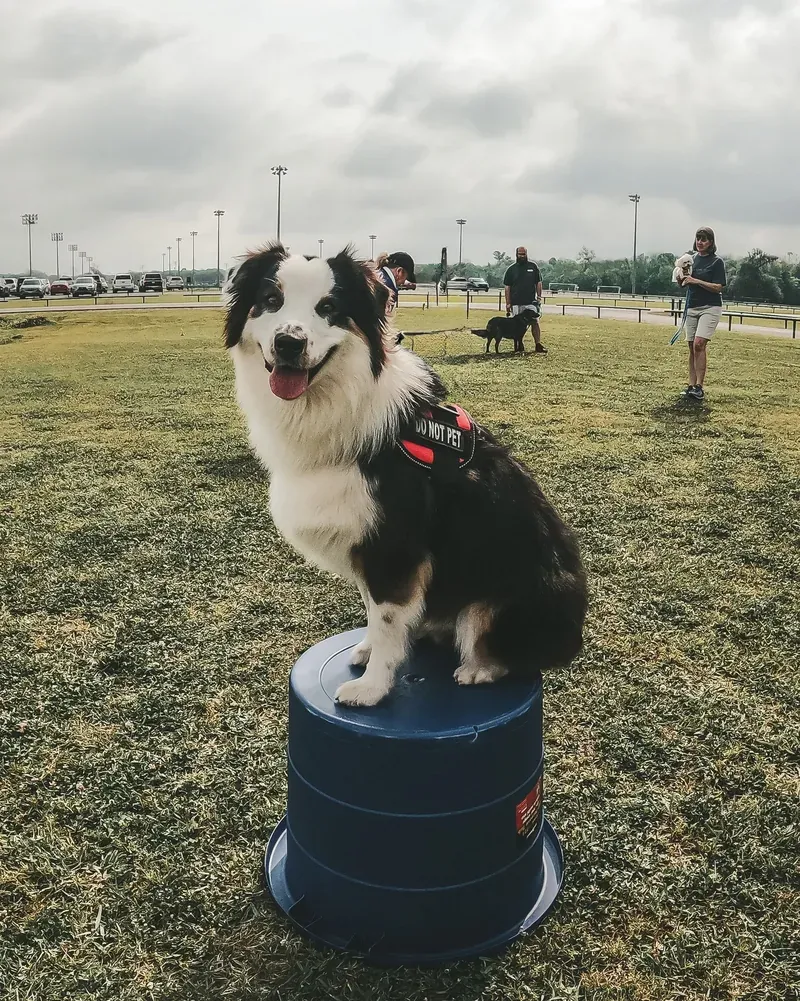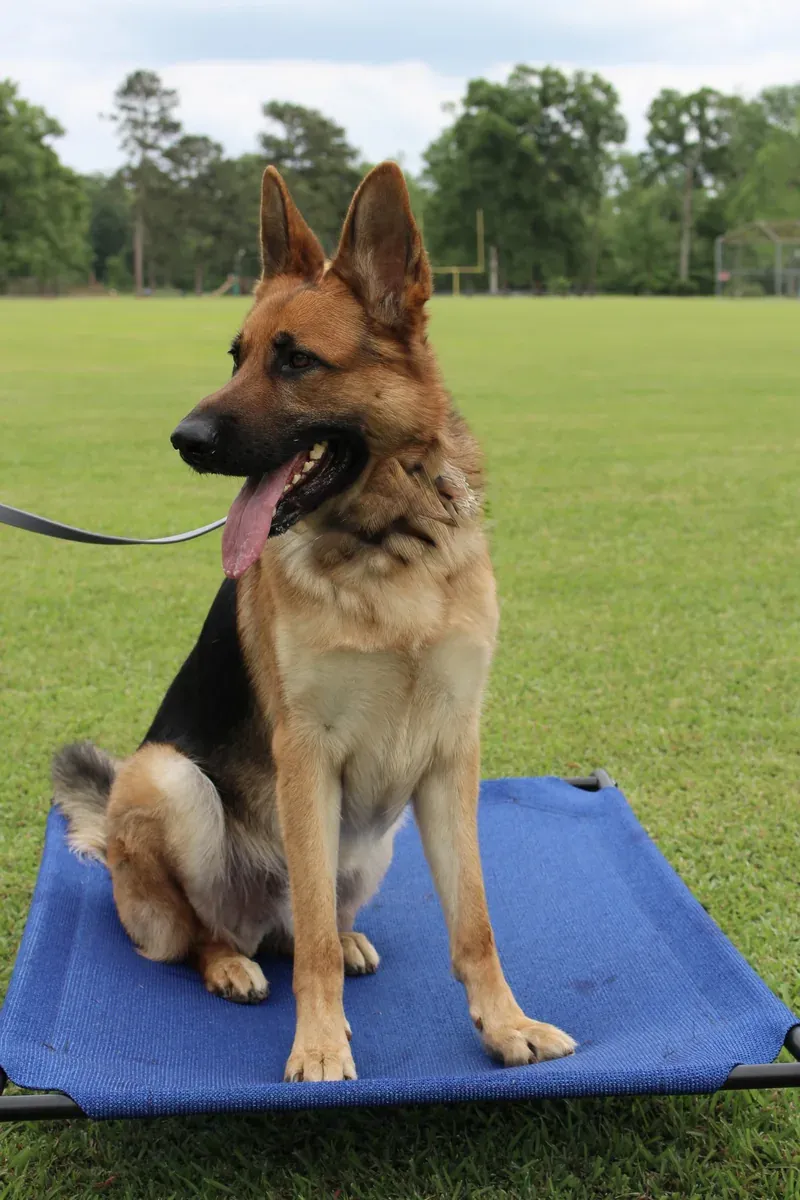
Here’s the secret nobody tells new puppy parents: crate training isn’t about containing your puppy. It’s about teaching them that being calm and alone is safe. Done well, the crate becomes your puppy’s favorite room in the house — their den, their bed, their quiet corner of the classroom. Done badly (or skipped), you often end up with a dog who panics whenever a door closes.
As former educators, we plan this the way we’d plan any lesson: set the environment up for success, break the skill into small steps, and never move faster than the student.
Step 0: Choose the right crate
Your puppy should be able to stand up, turn around and lie down flat — and not much more. A crate that’s too big lets a puppy sleep at one end and potty at the other, which quietly sabotages house training. For a large-breed puppy, buy the adult-size crate with a divider panel and grow the space as they do.
The lesson plan
1. Make the crate the best seat in the house
Door open, comfy bedding in, and treats magically appearing inside whenever your puppy isn’t looking. Feed meals in the crate. Special chews only happen in the crate. You’re building one big association: crate = good things happen.
2. Close the door — for seconds, not hours
Once your puppy strolls in happily, close the door while they eat, then open it before they finish. Gradually stretch the closed-door time by seconds. If your puppy fusses, you moved too fast — go back a step. (Every good teacher re-teaches; it’s not a failure.)
3. Add distance
Step away, come back, open the door. Then two steps. Then leave the room and return. The skill your puppy is learning is huge: “my person leaves, and my person comes back.”
4. Build real duration
Work up to your puppy napping in the crate while you’re elsewhere in the house. A stuffed food toy makes long stretches easy. Cover part of the crate if your puppy settles better in a darker den.
5. Practice the boring exit
No dramatic goodbyes, no party on return. Calm in, calm out — leaving becomes a non-event, which is exactly what you want.
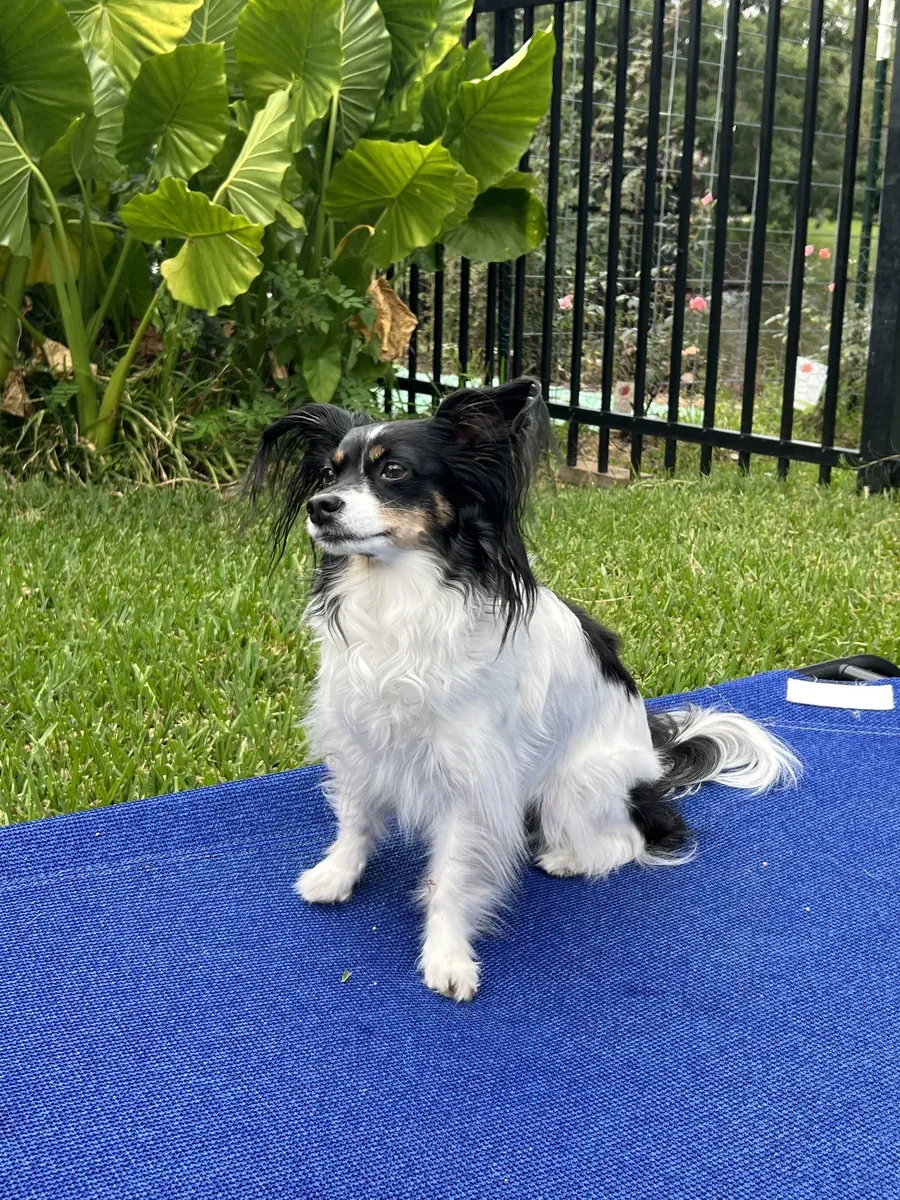
How long can a puppy actually hold it?
| Puppy’s age | Realistic crate stretch (daytime) |
|---|---|
| 8–10 weeks | 30–60 minutes |
| 11–14 weeks | 1–3 hours |
| 15–16 weeks | 3–4 hours |
| 17+ weeks | 4–5 hours max |
A common rule of thumb: age in months + one gives you the rough maximum hours a puppy can hold their bladder — but every puppy is different, and overnight stretches run longer because the body slows down during sleep.
Teacher’s tip: Never use the crate as a punishment. The moment the crate becomes the time-out corner, you lose the den. If you need a reset space, use a different room — protect the crate’s reputation at all costs.
Common mistakes we see (and fix)
- Letting the puppy out while they’re crying. It teaches exactly one lesson: crying opens doors. Wait for a beat of quiet, then open.
- Going too fast. Ten good ten-second reps beat one miserable hour-long attempt.
- Only crating when you leave. If the crate always predicts your departure, it starts predicting loneliness. Crate your puppy sometimes while you’re home, too.
- Using the crate to skip exercise. A crate is a bedroom, not a babysitter. Physical and mental exercise still have to happen.
When to bring in a teacher
If your puppy panics in the crate — drooling, frantic scratching, constant screaming rather than protest whining — stop and get help before it hardens into real separation distress. Crate training is one of the core skills in our Puppy Preschool program: live 1:1 virtual sessions where we guide you through it, step by step, in your own home.